
Legacy Route: India-First Processing
- Cotton exported before value-add conversion.
- Extended logistics, multiple transfer points, higher uncertainty.
- U.S. brands absorb schedule risk and diluted traceability.
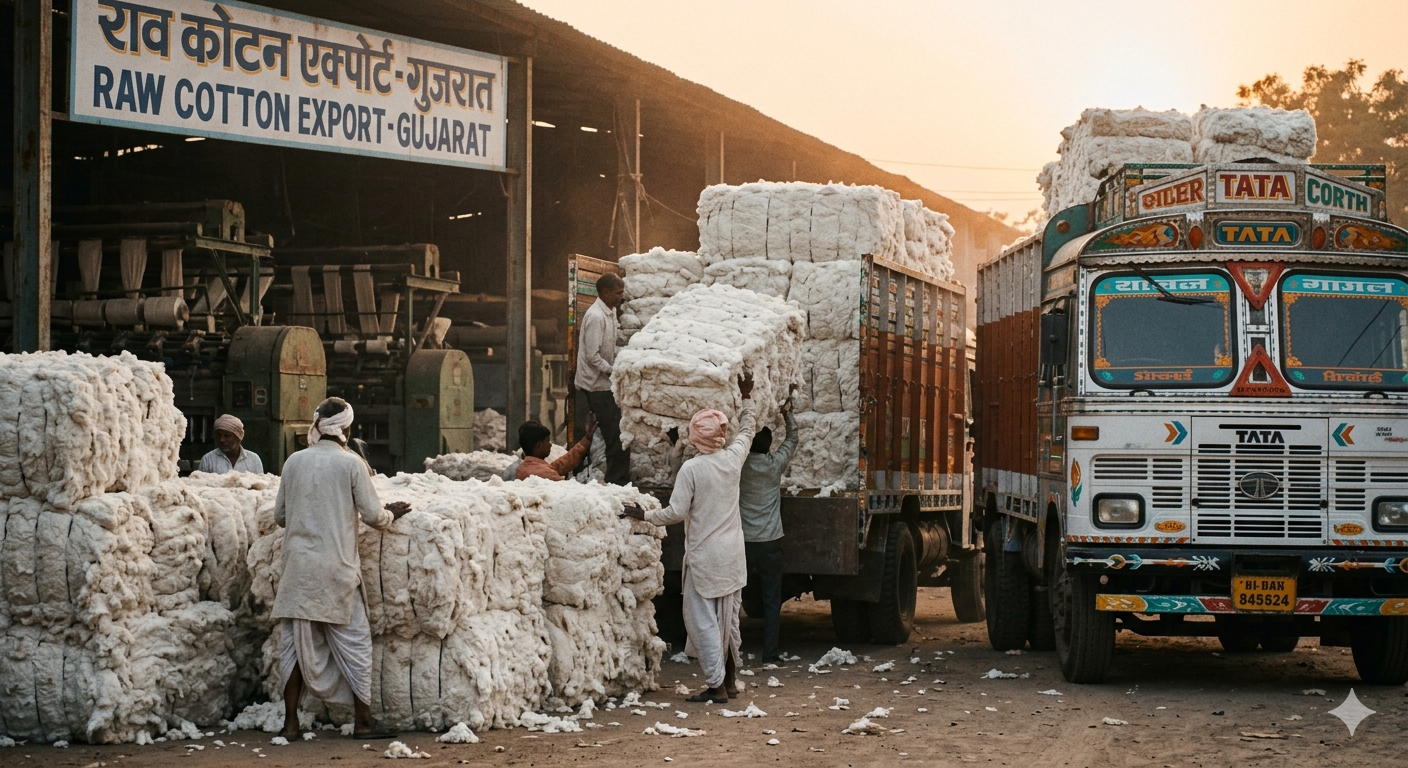
Arizona's premium Pima cotton is globally respected, yet too much value is captured overseas after export. MATGA USA is building a domestic spinning reset—so American fiber stays on American soil, feeds American mills, and returns higher-value jobs to U.S. communities.
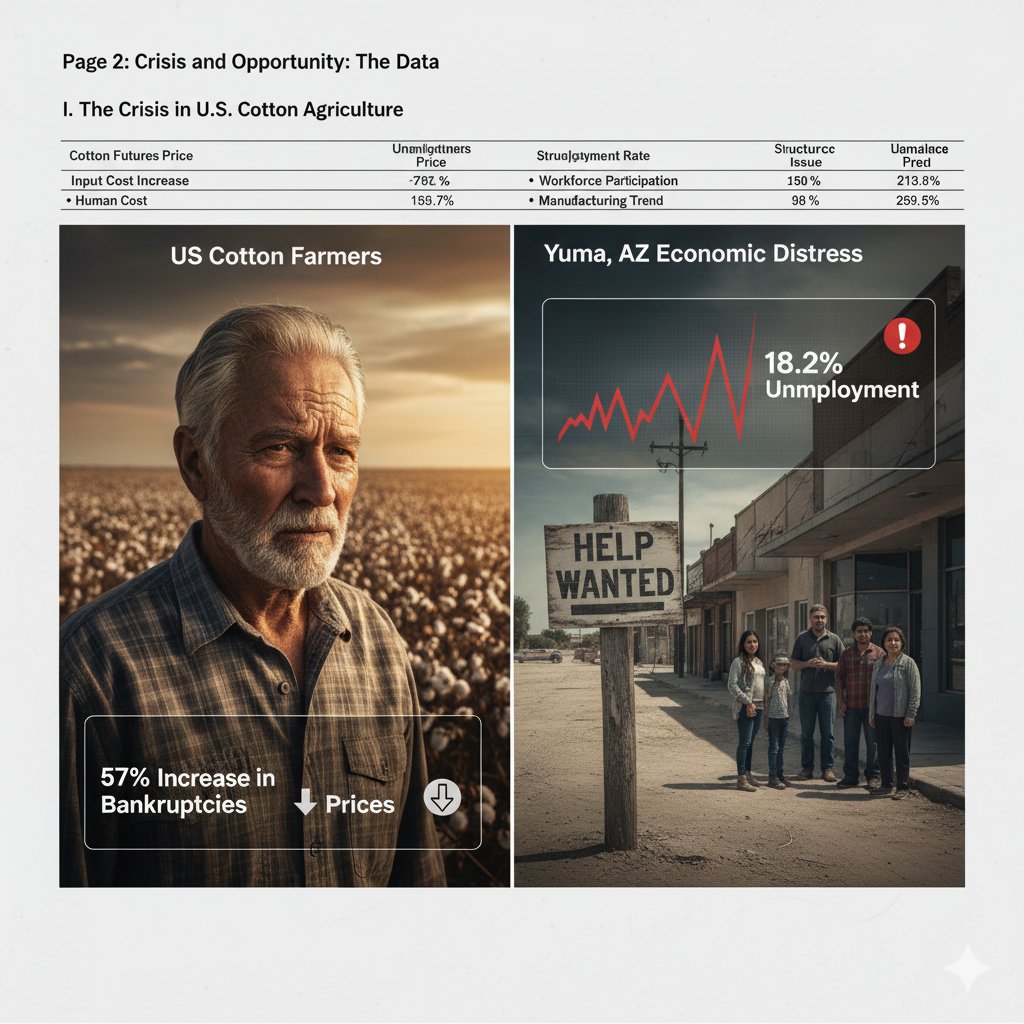
U.S. cotton often leaves as a raw commodity and returns as finished goods after spinning and manufacturing abroad. This structure adds transit cost, inflates inventory risk, and drains strategic capability from domestic industry.
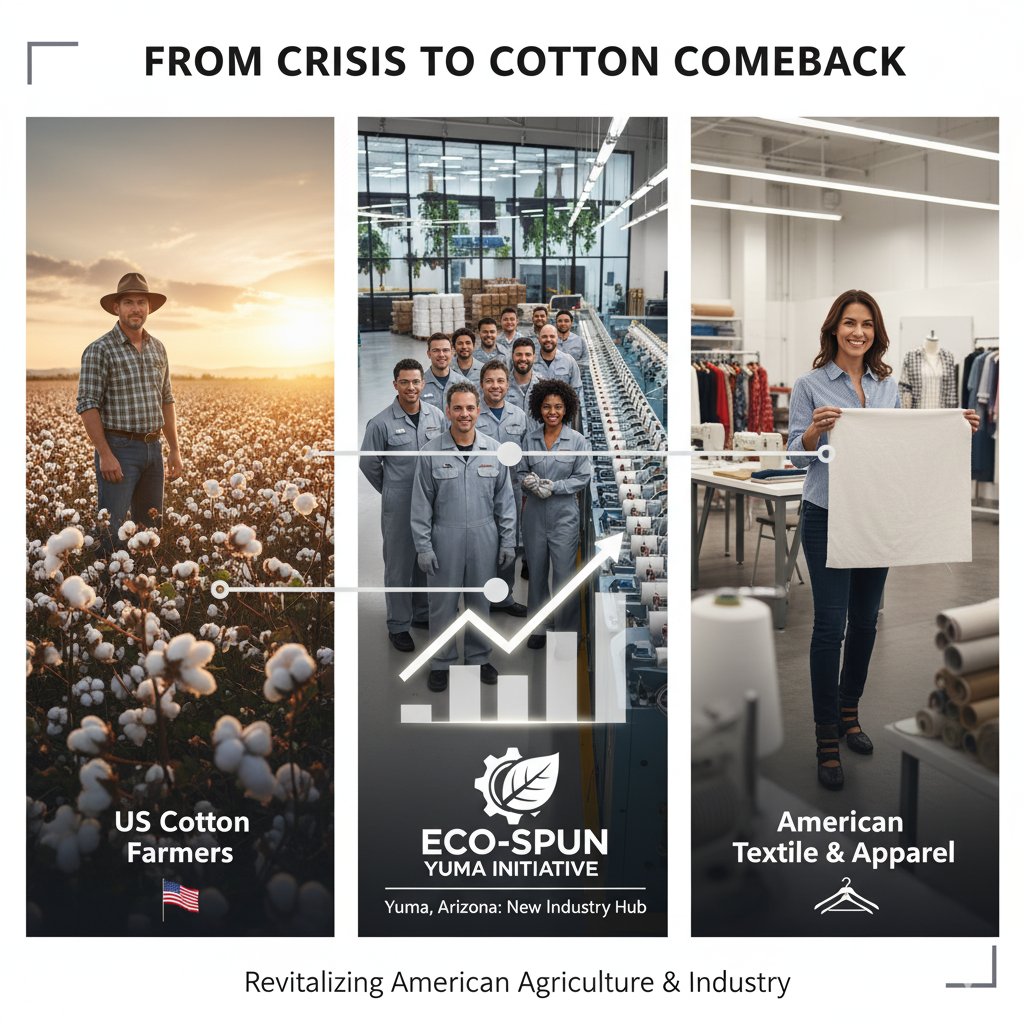
MATGA USA compares the legacy offshore route against a near-source Yuma model that prioritizes speed, resilience, and U.S. value retention.
A clear three-step value chain connects field, yarn, and finished apparel with traceability and speed.
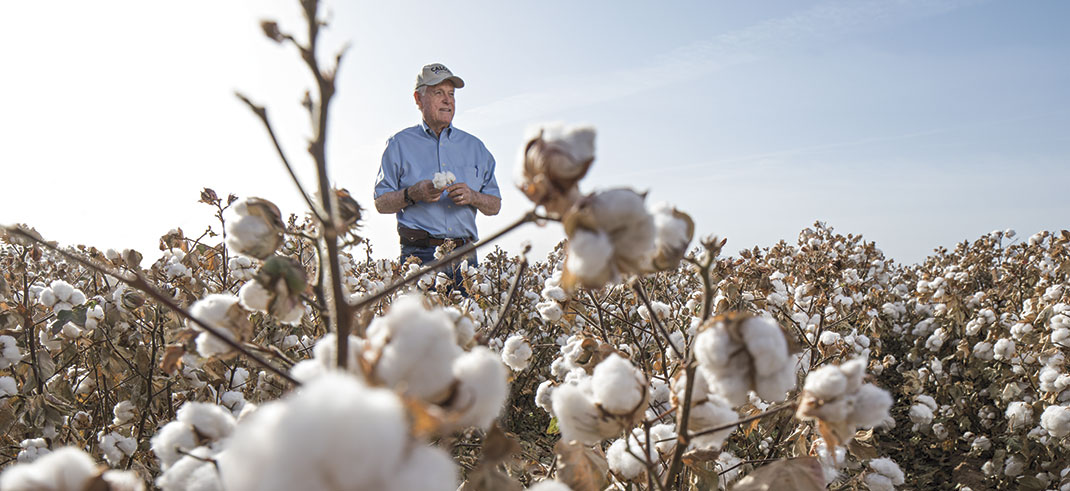
American growers produce premium cotton with consistent quality and heritage expertise. Keeping demand domestic supports farm stability and long-term soil stewardship.

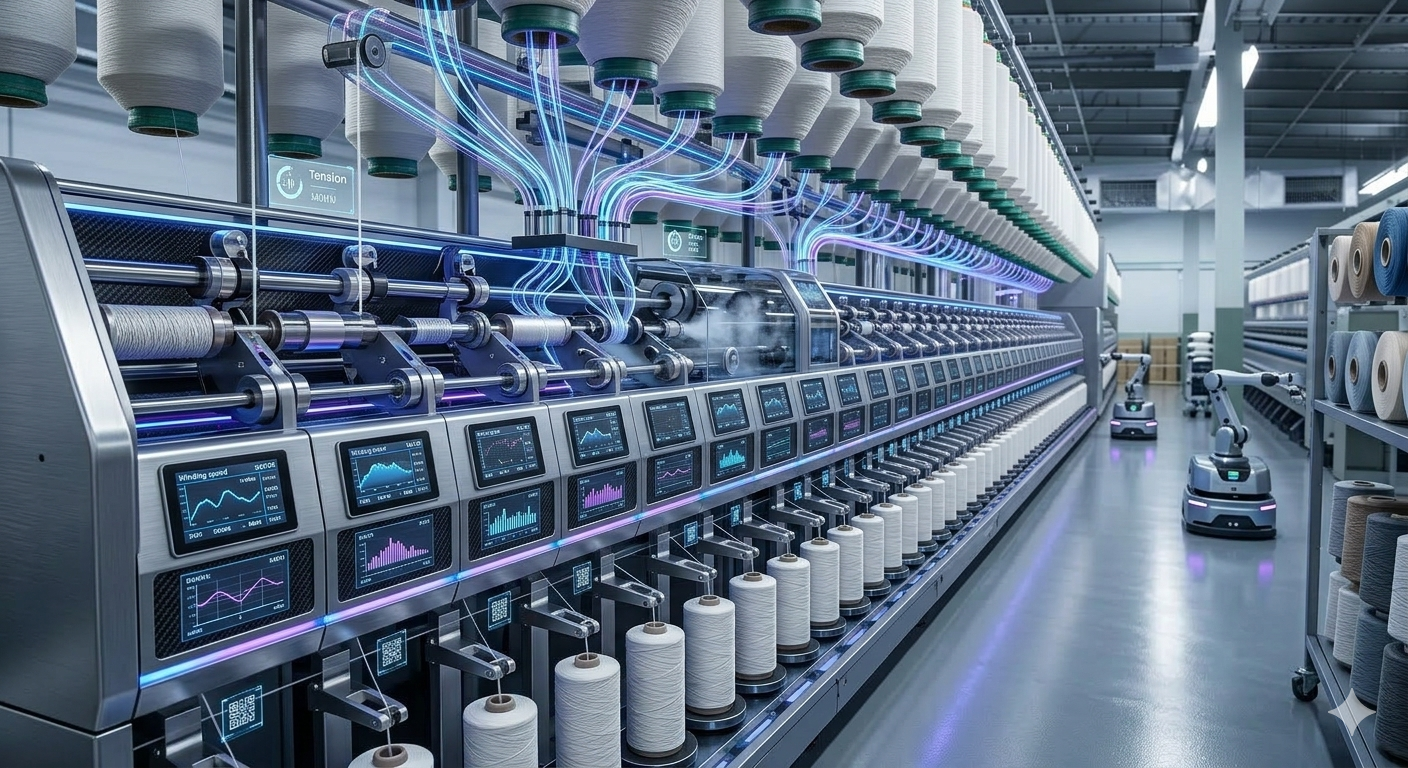
In Yuma, cotton becomes high-value yarn closer to the source. This step shortens lead times, improves planning confidence, and restores core U.S. textile capability.

Yuma-spun yarn feeds regional cut-and-sew operations in Los Angeles. The result is faster market response, better transparency, and products made in America.
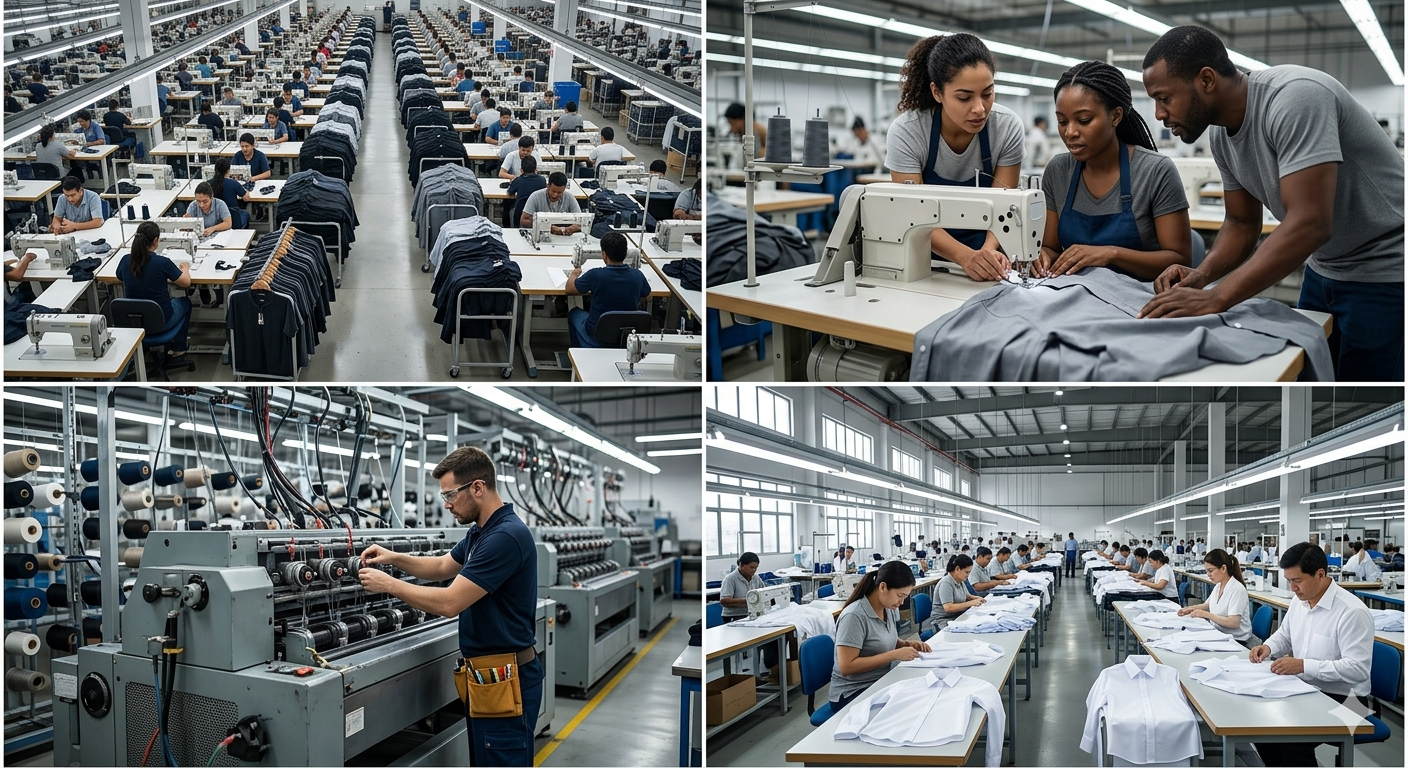
This is the moment to showcase a complete domestic story: Arizona cotton, Yuma-spun yarn, and Los Angeles-made apparel. MATGA USA positions U.S. textiles as a premium, reliable, and patriotic standard on a global stage.

"From Arizona fields to Los Angeles labels, we can rebuild the value chain where it began—and lead with American quality."
A practical three-phase collaboration model aligns planning, capital deployment, and long-term workforce growth.
Complete feasibility, engineering scope, and stakeholder alignment to establish the Yuma spinning framework and project governance.
Build and commission modern domestic spinning capacity with resilient utilities, logistics integration, and performance benchmarks.
Develop regional talent pipelines with technical training and employer partnerships to sustain high-quality textile jobs.